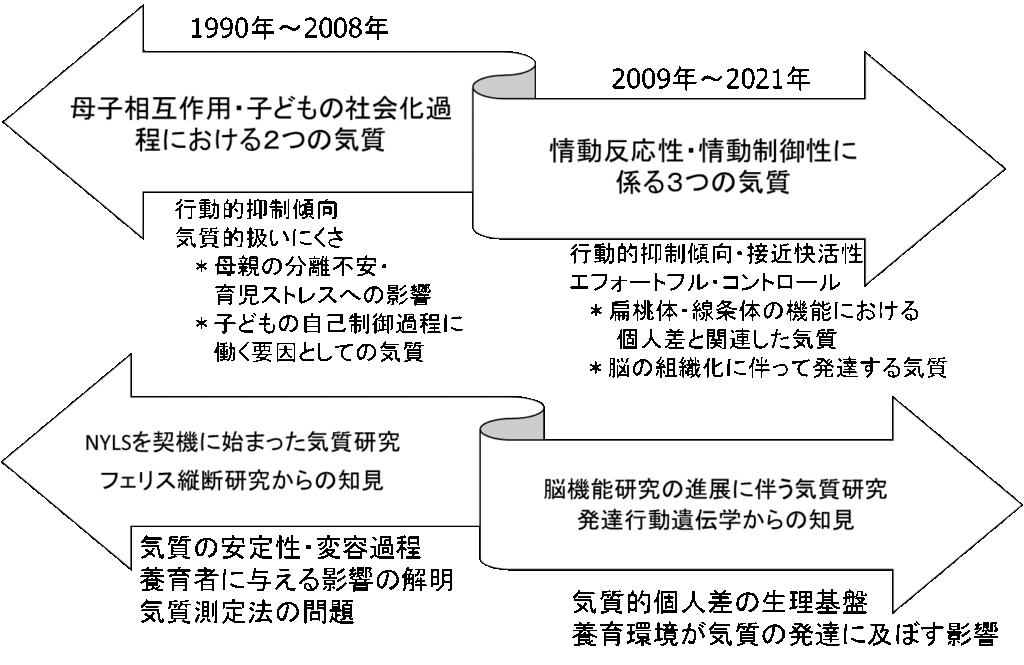
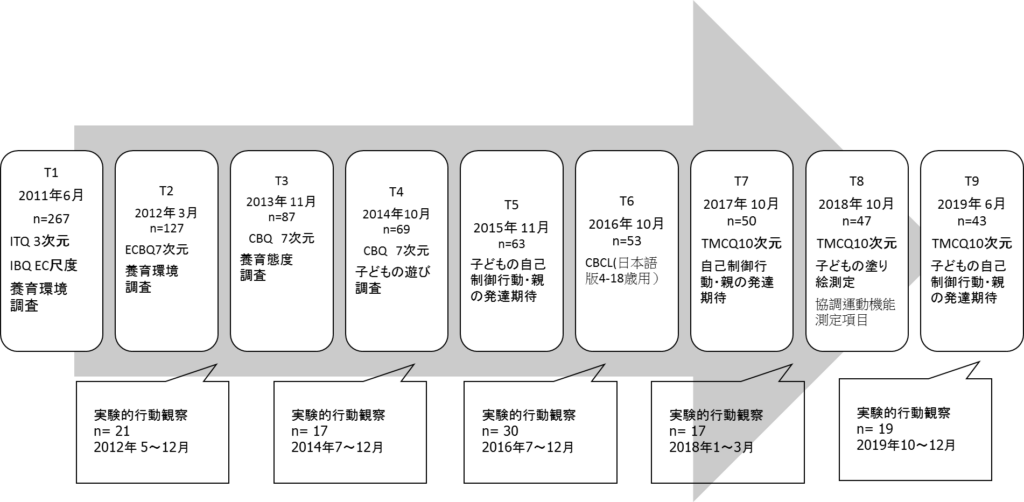
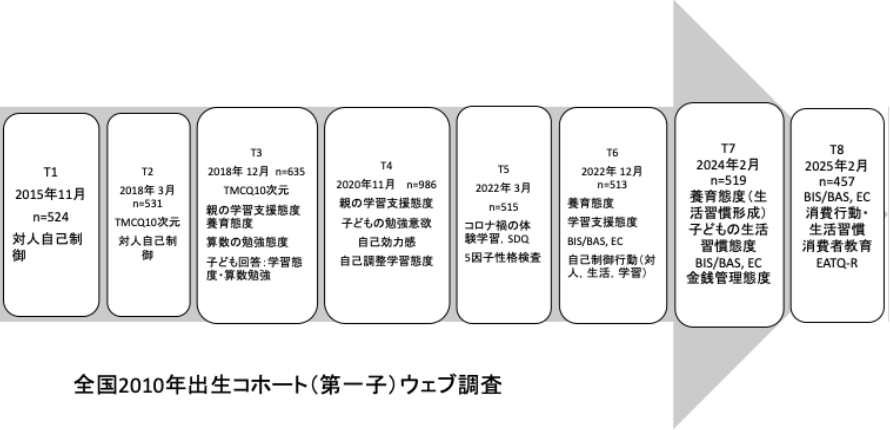
In 1990, we initiated a longitudinal study of 464 1-year-old children, focusing on behavioral inhibition and temperamental difficulties.
Our findings demonstrated that these temperament traits significantly influence maternal psychological states—such as separation anxiety and parenting stress—as well as parenting practices. Moreover, they play a crucial role in children’s socialization processes, including the development of self-regulation and cooperative behavior.
By incorporating insights from behavioral genetics and neuroscience, our research has contributed to a deeper understanding of the biological foundations of temperament and the mechanisms underlying its stability and change.